Our Services

Everything we do sits on top of one archive of recorded sales, catalogued types and known forgeries — whether you want a single coin identified or a whole collection online.

What we do for you

  • Identification

    Send photographs and we will attribute the issue — emperor, denomination, mint and date — with its catalogue reference.

    Send your coin
  • Market Evaluation

    Median realised prices from recorded sales, with the method and sources stated so the figure can be checked.

    See the data
  • Authenticity Check

    Photographs from several angles, weight and edge inspection, then comparison against documented specimens and known forgeries.

    How we verify
  • Data Parsing

    Structured auction and dealer data pulled from multiple market platforms, delivered in a form you can work with.

    Request a feed
  • Something else?

    Promoting a lot, a bulk valuation, a research question — tell us what you need and we will say plainly whether we can help.

    Make a custom request
The platform

Domus — your collection, online

Catalogue every piece with photographs, legends and condition, then explore your holdings through a dashboard that keeps count for you. Free to join, no ads.

Explore Domus
  • Store and catalogue your coins
  • Identify with the community
  • 3D models from your own photographs
  • Discuss finds in the forum

Marcus Aurelius Denarius Market Insights

Interactive analysis for RIC III Marcus Aurelius 171

Price Trajectory

Median realised, EUR

Relative lot activity, selected window
Peak year
2026
5Y change
+61%
Volume
High

Reference Specimen

AR Denarius · Rome mint

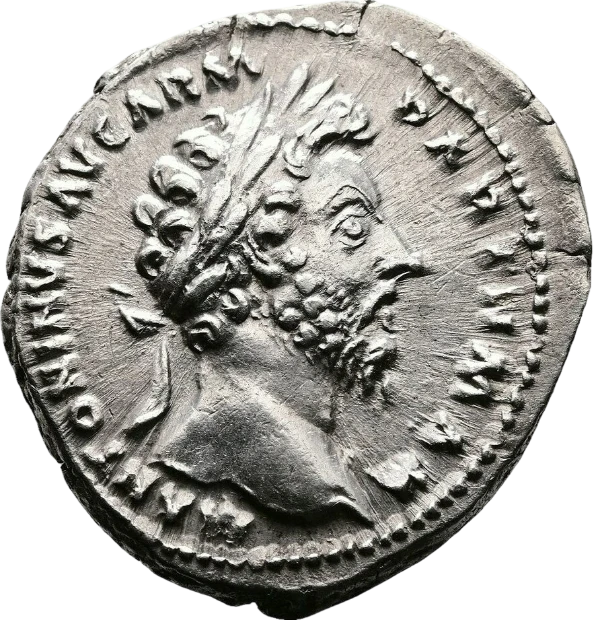
Marcus Aurelius denarius, obverse
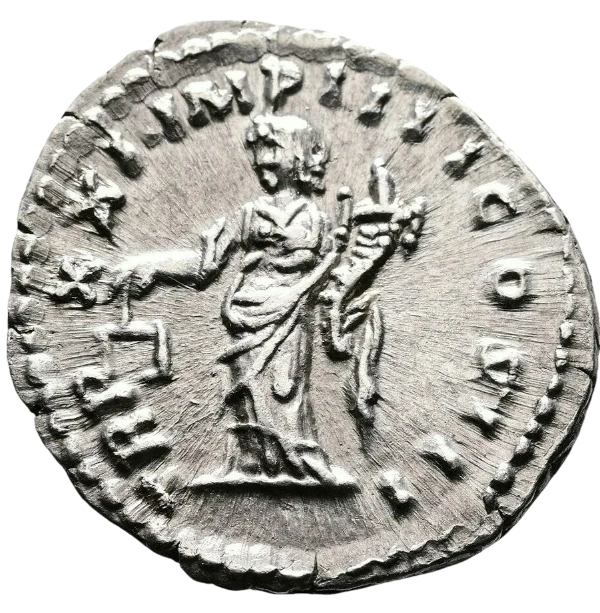
Marcus Aurelius denarius, reverse
Median · 5Y
€152
Recorded sales · 5Y
154

Sales Channel

Where recorded sales occur

65% via auction
Auction
65%
Private
35%
How these figures are calculated

The trajectory plots the median of recorded sales for this type in VF–XF condition, at hammer plus buyer’s premium. Median is used rather than mean so one exceptional specimen cannot drag the series. Each figure is the median of its own window, not a spot price, which is why every stat is labelled with the window it covers.

Read these caveats before relying on the numbers.

  • Mixed grade band. VF and XF are pooled. A choice XF denarius can fetch several times a bare VF of the same type, so the median describes the band as a whole and not any one grade.
  • One fixed exchange rate. Figures originate as USD in our sample dossier and every year is converted at the same rate (shown in the chart tooltip). EUR/USD moved materially across this period, so the shape of the curve is the dollar trend re-expressed in euro, not a euro-market trend.
  • The current year is incomplete. Its point is year-to-date and will move as the season’s sales are recorded.
  • Private sales are only partly observable. Auction results are published; private treaty is not. The channel split reflects what we can record, so the private share is a floor rather than a measured total.

These are illustrative reference figures from a single dossier, not a live index. Condition, centring, strike and an unbroken legend move individual prices more than the reverse type does — always check current results before buying or selling.

  • Type reference OCRE — RIC III Marcus Aurelius 171 AR Denarius, Rome, AD 166–167. Obv. M ANTONINVS AVG ARM PARTH MAX; Rev. TR P XXI IMP IIII COS III, Aequitas with scales and cornucopiae. American Numismatic Society.
  • Grade definitions Grading Roman Coins: From Fine to Mint State The grading standard behind the VF–XF band above — Very Fine is moderate wear with most detail clear, Extremely Fine (written EF or XF) is light wear on the highest points only. Ancients are graded descriptively, not on the modern 1–70 scale.
  • Verify current results acsearch — live auction archive Aggregates realised prices across international auction houses. Search results run wider than this single issue, so read the attributions before comparing — but it is the fastest way to check today’s market against the figures above.

Authenticity Verification

A documented coin sells itself. Without one, every buyer starts from doubt — and prices it that way.

  1. 01

    Issued in 24–48 hours

    Send clear images of the obverse and reverse. Most certificates are ready within two working days.

  2. 02

    Three checks, every time

    Photographs from several angles, weight and edge inspection, then comparison against documented specimens and known forgeries.

  3. 03

    A code that never expires

    Any future buyer can check it here, free and without an account — so the certificate still works after you sell.

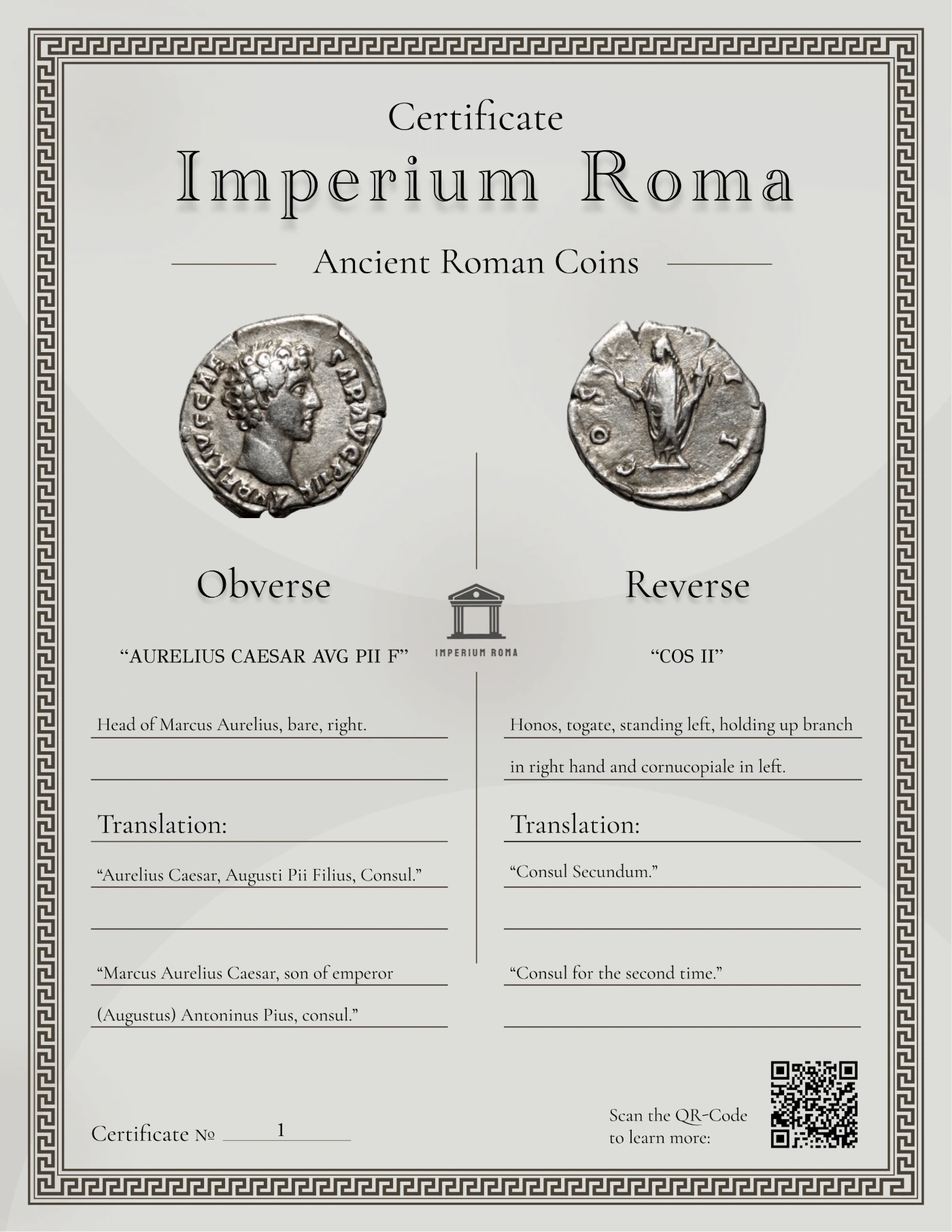
Digital Authenticity Certificate

Interactive 3D Certification Document

3D Coin Visualisation

Our revolutionary technology allows numismatists, collectors, and auction houses to create accurate three-dimensional representations of ancient Roman coins from simple photographs

Interactive Preview
+
+

Frequently Asked Questions

How do I authenticate a Roman coin?

Upload clear photos of your coin to our authentication service. Our experts analyse weight, dimensions, die characteristics, patina, and style to verify authenticity.

How much is my Roman coin worth?

Coin value depends on rarity, condition, emperor, and denomination. Use our market valuation tool to get current prices based on recent auction results.

Can you identify a Roman coin from a photo?

Yes, our AI-powered identification service can analyse coin images to identify the emperor, denomination, mint, and approximate date of Roman coins.

How much does Roman coin authentication cost?

Pricing depends on the coin's complexity and the depth of analysis required. Request a free initial consultation through our contact form and we'll quote the exact cost before you commit.

How long does coin authentication take?

Most authentications and digital certificates are completed within 24-48 hours of receiving clear photos of the obverse and reverse.

What is the difference between coin grading and authentication?

Authentication confirms a coin is genuine rather than a forgery or replica. Grading assesses its condition and wear on a descriptive scale, which directly affects market value.